
01PayPal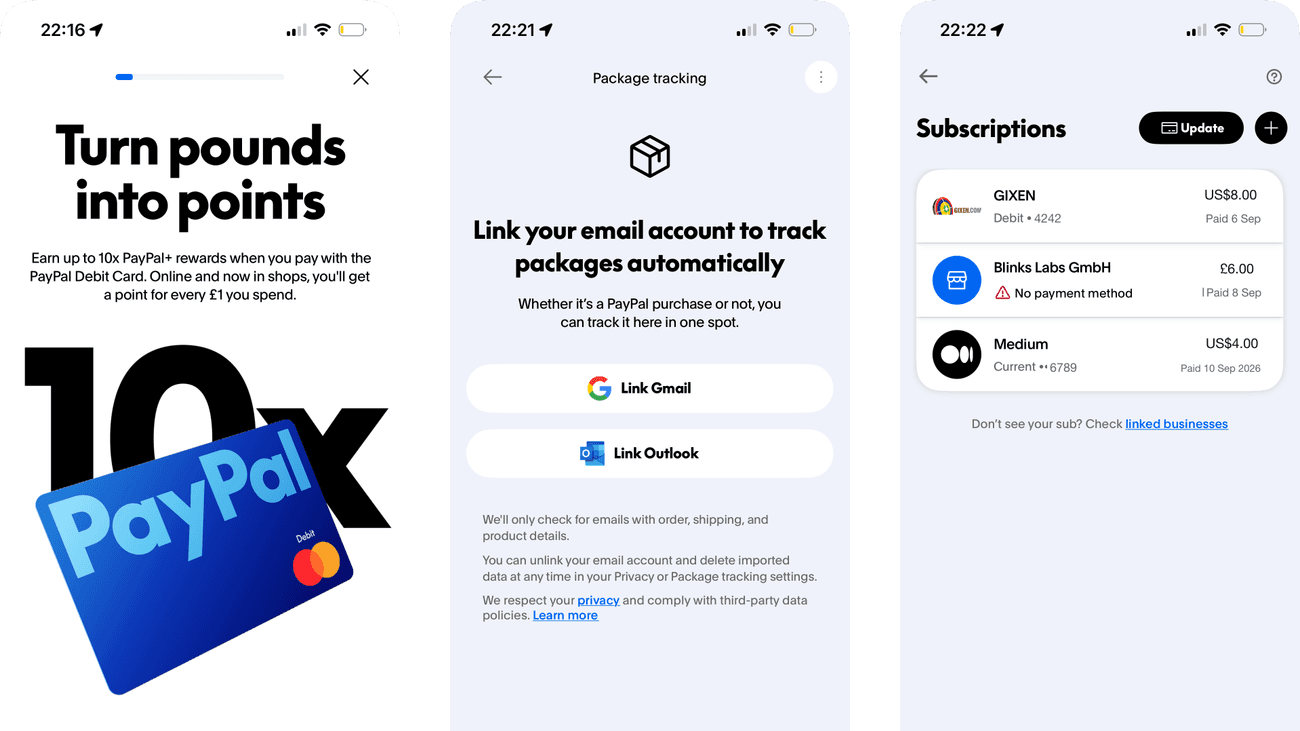
Product journey
Behavioural psychology for product teams
Turn product friction into a clearer design decision with evidence-informed psychology, real interface examples and practical ethical guardrails.
Start with the job in front of you
Choose by task. You do not need to know the psychology term first.
Make a product decision
Describe the problem and compare responsible approaches.Open Decision Lab →02Understand a behaviour
Learn what may be happening, where it applies and where it can fail.Browse ingredients →03Find a relevant UI example
Search real screens by task, context, product or principle.Explore UI examples →04Study a complete journey
Follow the psychology through real product flows, screen by screen.Read case studies →The ingredient library
Browse all 105 behavioural principles, biases and effects in one dedicated library. Search in plain language, see checked sources, and understand both the possible benefit and the risk before applying an idea.
Psychology in the wild
Go beyond theory with annotated journeys showing where psychology helps, where it hinders, and what could be improved.
Product journey
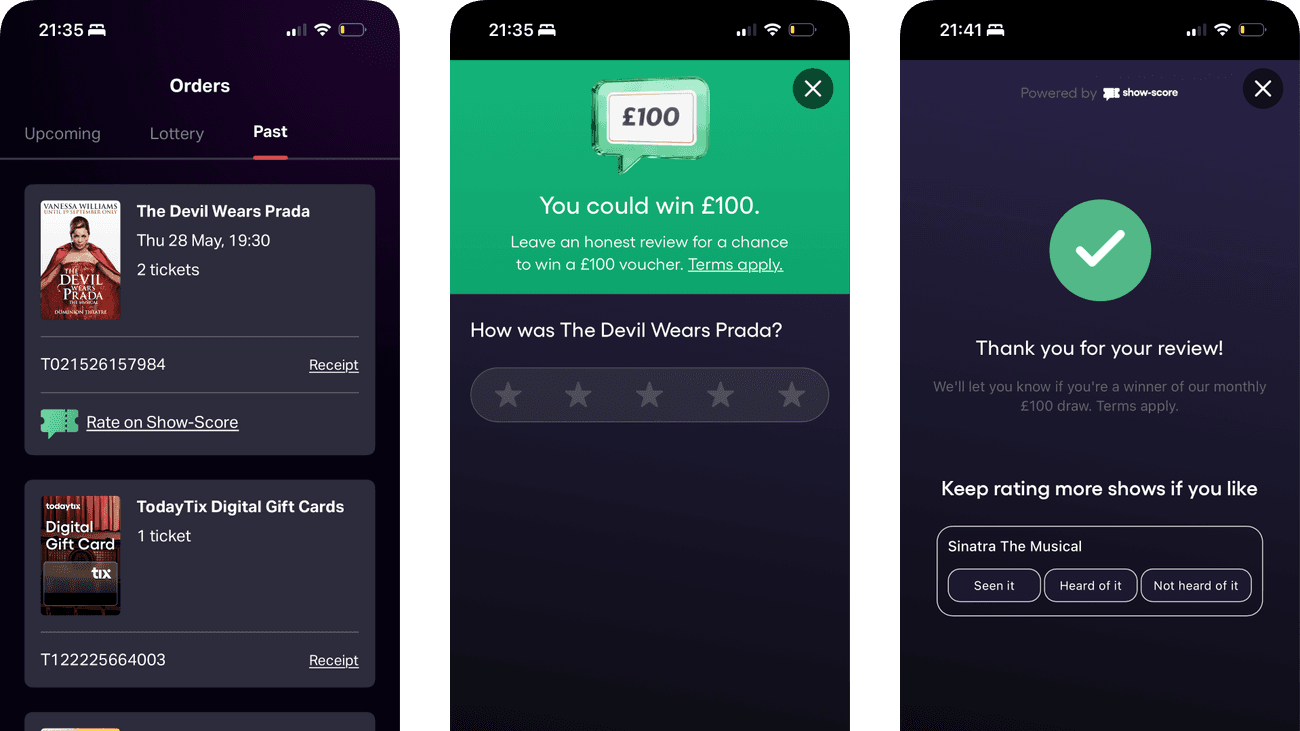
Product journey
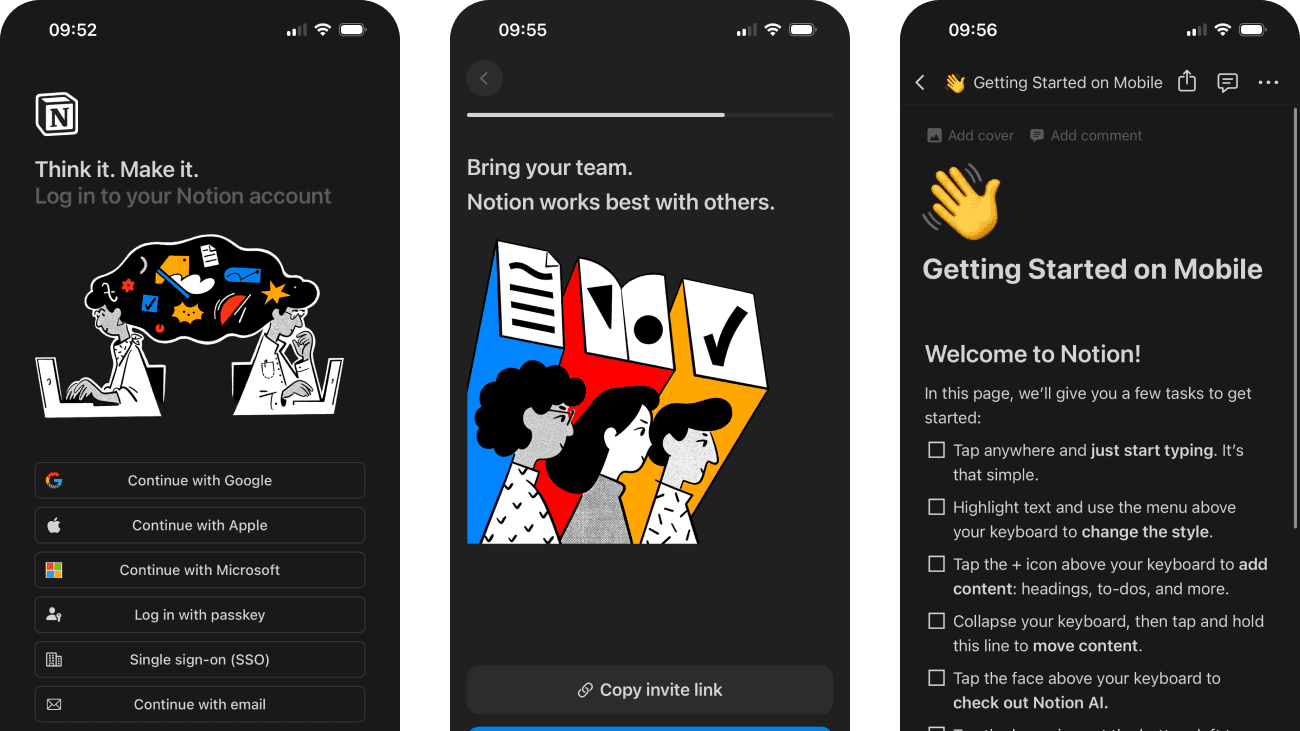
Product journey
Designed for responsible influence
The UXologist treats every psychology pattern as a trade-off—not a growth hack. Recommendations state what each ingredient may contribute, where it can fail and which guardrails to monitor.
Read our evidence and editorial methodBuild your product toolkit
Start a free account to save ingredients, create decision briefs and return to your work.