
Consistency Bias
Reconstructing past attitudes, abilities or behaviour so they fit a current belief or an expected story of personal change.
Public evidence overview
One checked source, with its limits.
This preview is not the complete evidence base. Use it as a question to investigate in your own product, not as a prediction of what an individual will do.
Relation of implicit theories to the construction of personal histories
Research-assisted source review
- What it supports
- People can remember the past as more like the present when stability is expected, but can also exaggerate past-to-present change when a persuasive theory or intervention implies that change should have occurred.
- Where it may not transfer
- This is a theoretical synthesis of older, varied studies rather than a meta-analysis or product-interface experiment. The direction of recall bias depends on the person's implicit theory; consistency should not be treated as the only possible outcome.
See how sources and limitations are checked in our editorial method.
Member depth
Continue into the complete evidence and application.
Practitioner includes the complete checked source set, study context and practical takeaways for this ingredient. The public overview above remains available without upgrading.
Seen in real products
How teams put it to work.
Examples identified in our interface teardowns, linked back to the full product journey.
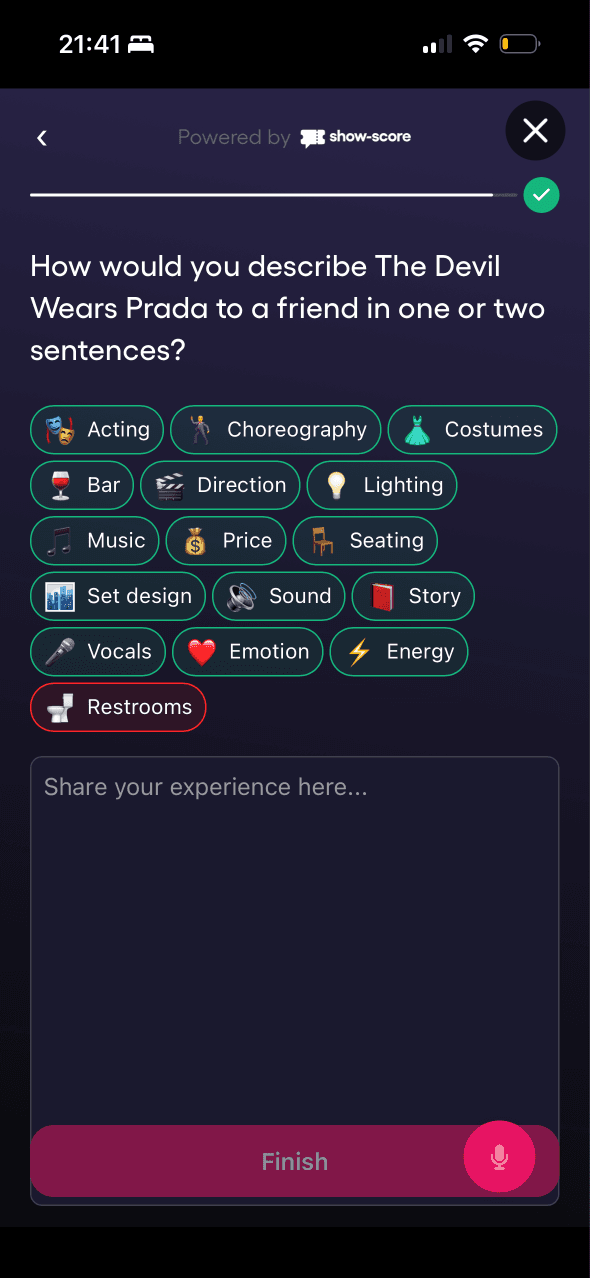
Carried-forward choices encourage the written review to align with earlier answers. Consistency can aid recall while also making it harder to revise an initial judgement.
View Ask for feedback without overreaching →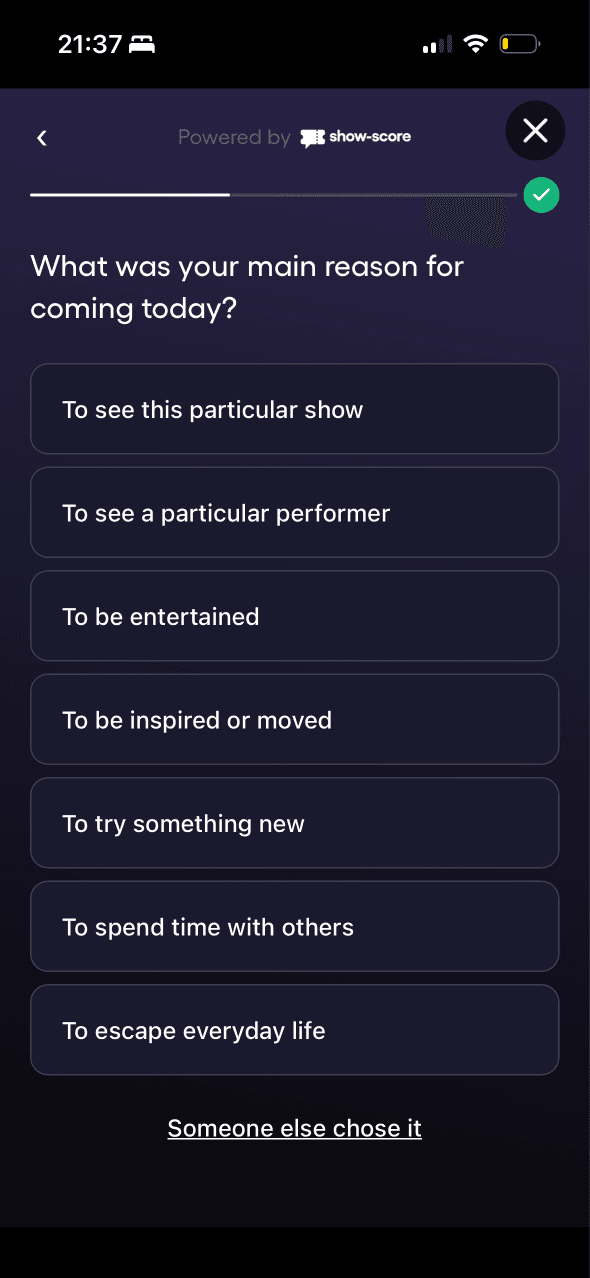
Asking for a main reason invites a coherent account of a past choice. The answer may reflect present self-description rather than the complete cause of attendance.
View Ask for feedback without overreaching →